Parking Permits for Removals on Petersham Road
Posted on 18/06/2026
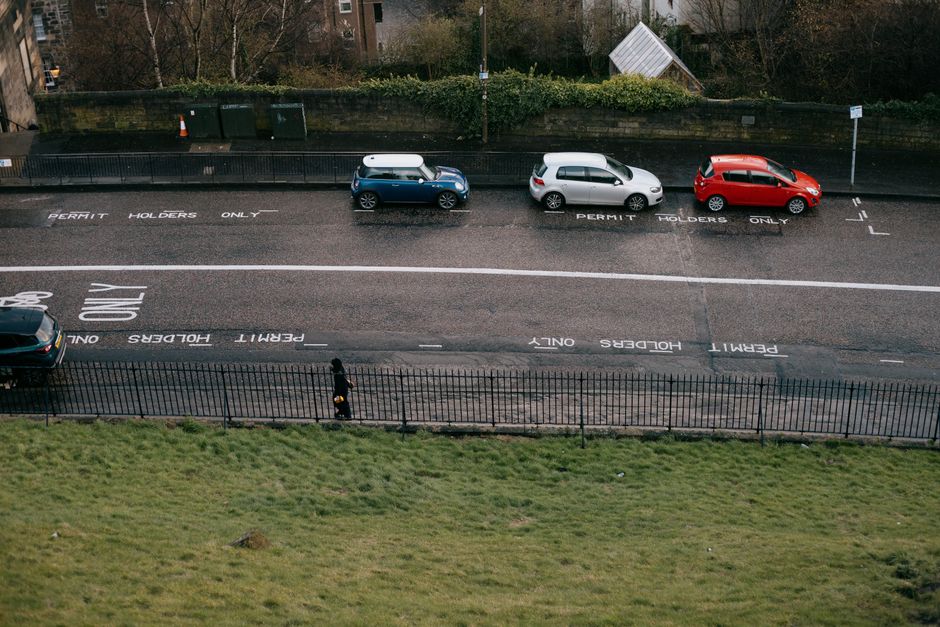
Parking Permits for Removals on Petersham Road: A Practical Guide for a Smoother Move
Moving day on Petersham Road can feel simple on paper and strangely complicated in real life. There's the van, the boxes, the narrow window between lift-off and the next traffic build-up, and then the one detail people often leave too late: Parking Permits for Removals on Petersham Road. If your vehicle needs to stop close to the property, a permit or temporary parking arrangement can be the difference between a calm unload and a stressful scramble with the clock ticking.
This guide explains what the permit issue usually involves, why it matters, how to plan around it, and what to do if access is tight or the schedule changes at short notice. It's written for anyone moving house, flat, or office on or near Petersham Road, and it should help you avoid the sort of last-minute problem that turns a decent moving day into a bit of a headache. Let's keep it practical.
Why Parking Permits for Removals on Petersham Road Matters
Parking is not just a background detail on a moving day. It affects how quickly the team can work, how far items need to be carried, whether the van can remain safely positioned, and how smoothly the whole removal runs. On a road like Petersham Road, where property access can vary from one address to the next, that matters a lot.
Think about the knock-on effect. If the van ends up a long walk away, every sofa, mattress, box of books, and awkward lamp base has to travel further. That means more time, more physical effort, and more risk of damage. It also increases the chance of holding up neighbours or blocking shared access points. Nobody enjoys that awkward moment when you realise the easiest parking spot is also the one that creates the biggest problem.
For removals, a permit is really about control. It gives you a planned space, a known time window, and fewer surprises. Even when a formal permit isn't required, you still need to think about restrictions, loading rules, local parking controls, and whether the van can stop legally close enough to the property. Narrow-access moves in Ham often show how quickly small access issues can become major delays.
Expert summary: The best moving days are usually the ones where parking has been solved before the first box is lifted. It sounds obvious, but it saves time, energy, and a fair amount of stress.
How Parking Permits for Removals on Petersham Road Works
The exact process can depend on the property, the type of vehicle, and the local parking rules in force at the time of your move. In practice, the process usually falls into one of three buckets: no permit needed, a temporary permission or paid parking arrangement, or a formal permit/dispensation style arrangement where applicable.
For a removal vehicle, the most important thing is not the label. It is whether the van can legally stop where it needs to stop, for long enough to load or unload safely. In some cases, the property may sit on a street with restricted parking bays, resident-only controls, or timed loading areas. In others, access may be possible only by careful timing, such as early morning or mid-afternoon, when the road is less busy.
Removals teams often ask for a few key details in advance:
- The full pickup and delivery addresses
- Whether the property is a house, flat, or office
- Any gate, courtyard, or shared access restrictions
- Whether there is enough room for a large removal van
- How close the van needs to park to the entrance
- Whether lifts, stairs, or long carry distances are involved
That information helps determine whether a permit is advisable, essential, or unnecessary. If you want a broader sense of how the moving day fits together, the step-by-step guide to a calm and stress-free move is a helpful companion read.
What can go wrong if you leave it too late?
Usually one of three things: the van parks too far away, the move starts late, or you find yourself having to shuffle the vehicle around mid-job. None of those are ideal. To be fair, most people only make this mistake once. Once is enough.
It's also worth remembering that parking rules can change with roadworks, events, or temporary restrictions. A space that looked fine during a pre-move visit may be unavailable on the day. That's why experienced movers tend to treat parking as a live part of the job, not a one-time tick box.
Key Benefits and Practical Advantages
A sensible parking plan does more than keep you legal. It makes the move noticeably easier in real-world terms.
- Shorter carry distance: Less walking between door and van means quicker loading and less strain.
- Lower damage risk: The fewer turns, steps, and doorways items pass through, the safer they tend to be.
- Better time control: You are less likely to overrun your schedule or clash with building access windows.
- Less neighbour disruption: Clean loading on one planned spot is easier to manage than repeated repositioning.
- Reduced stress: There is real value in knowing where the vehicle will go, especially on moving day morning when the kettle is boiling and people are already a bit tense.
For flats in particular, good parking planning can be the difference between a straightforward handover and an exhausting relay system. If that sounds familiar, have a look at flat removals in Ham and the practical notes in small-move strategies for Ham Common flats.
There's also a financial angle, even if it's indirect. A move that runs on time is less likely to trigger extra waiting, second trips, or avoidable labour. That is not about being dramatic; it's just how the day tends to play out when the vehicle can't get close enough.
Who This Is For and When It Makes Sense
Not every move needs a formal permit arrangement. But plenty do, and it's worth thinking carefully if any of the following sound familiar.
- You are moving from a terraced property with limited on-street space
- You live in a flat where the closest legal parking spot is not beside the entrance
- You are moving large or fragile furniture that should not be carried far
- You have a narrow road, turning point, or awkward bend outside the property
- You expect a large van, Luton-style vehicle, or multiple loading cycles
- Your move needs to happen during busy daytime hours
- You are coordinating with building management or neighbours over shared access
It also makes sense for anyone moving valuable, heavy, or awkward items. A piano, for example, is not something you want to carry across half a street because the nearest parking bay is occupied. If that rings true, the piano removals service page and the hidden challenges of piano moving article are useful reference points.
Students and first-time movers often overlook parking until the final week. Busy families do the same, usually because they are juggling everything else too. And office moves? They can be surprisingly tricky if delivery schedules, loading bays, and weekday traffic all collide at once. If your situation is time-sensitive, same-day removals in Ham can be useful, but parking still needs proper thought even when the rest of the job is urgent.
Step-by-Step Guidance
Here's a straightforward way to handle parking for a removal on Petersham Road without overcomplicating it.
- Check the exact address and access layout. Look at the building frontage, curb space, nearby junctions, and any signs that may affect stopping or waiting.
- Identify the type of move. A one-bedroom flat and a four-bedroom house will need very different parking planning.
- Decide how close the van needs to be. If the items include heavy furniture, appliances, or fragile pieces, aim to reduce carrying distance.
- Ask about restrictions early. This includes resident bays, time-limited parking, loading bays, and any special access controls.
- Build the parking plan into the moving schedule. Do not treat it as something to sort on the morning.
- Allow for a small buffer. Traffic, weather, and last-minute key delays can all shift the timing a little.
- Confirm the plan again the day before. A quick check can catch changes caused by roadworks or temporary suspensions.
Here's the quiet truth: the best plans are not the fanciest ones. They're the ones that are simple, checked twice, and not left to memory alone.
If you are still deciding what kind of vehicle and loading setup you need, choosing the right van size for Ham moves is a good way to avoid underestimating the job. And if you're packing at pace, the tips in effective packing hacks to simplify your move can help keep the day organised while parking logistics are being handled.
Expert Tips for Better Results
Experience tends to teach the same lesson over and over: parking is easier when the moving crew, the customer, and the property details all line up before the van arrives. A few small habits make a big difference.
Book around the property, not just the moving date
People often choose a date based on handover deadlines, then work backwards from there. That's fine, but the property itself should shape the plan too. A second-floor flat with no lift and tight roadside access needs more breathing room than a house with a private drive. It sounds obvious. In the rush, it isn't always obvious.
Keep loading items near the exit
Once the parking spot is known, stage the boxes and furniture as close to the exit as you can without blocking people's movement. It sounds basic, but it shortens the carry path and prevents the annoying "where did that box go?" moment.
Protect fragile and awkward items first
If parking is limited, the move may need to happen in rounds. Prioritise items most likely to suffer from long carries or repeated handling. Sofas, bed frames, mirrors, and electronics tend to benefit from a shorter route. For sofas specifically, these couch safety tips can help reduce wear during transit.
Use a calmer moving rhythm
Once the van is in place, don't rush everything into a frantic pile. A measured sequence usually works better: large items first, medium items next, then boxes. For a sturdier lifting approach, kinetic lifting techniques and self-reliant heavy lifting advice are both worth a look.
One more small thing: if you can avoid parking drama by arranging a proper slot, do it. Nobody ever finished a move and said, "I wish we'd made that harder."
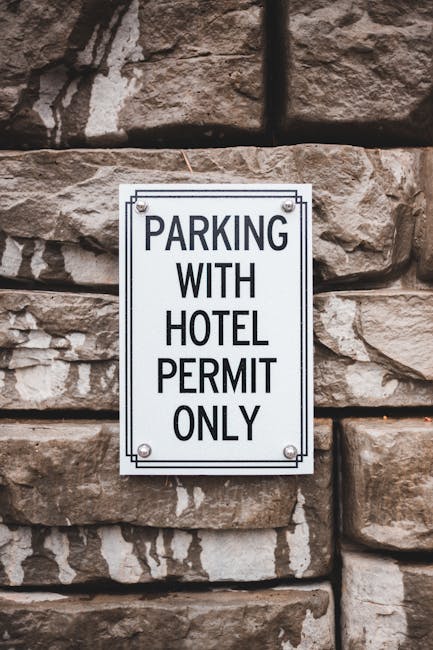
Common Mistakes to Avoid
Most parking-related moving problems come from a handful of predictable mistakes. The good news is that they are all avoidable.
- Assuming there will be space. Streets look different on a Monday morning than they do on a quiet Sunday afternoon.
- Leaving permit checks until the last minute. This is the big one. It often creates unnecessary stress before the move has even started.
- Forgetting loading time. A parking spot that works for five minutes may not work for a two-hour move.
- Choosing the wrong van size. An oversized van can make parking harder than needed, while an undersized one can mean extra trips.
- Not checking for temporary restrictions. Roadworks, local events, or suspended bays can alter the plan quickly.
- Ignoring long-carry risks. If the van is parked far away, heavy items become harder to move safely.
There's also the practical mistake of not aligning parking with packing and decluttering. If you have more to move than you need, the van stays longer and the parking pressure increases. A bit of pre-move sorting, like the advice in decluttering before you move, often saves more time than people expect.
And if waste needs clearing separately, don't leave that pile to sit beside the van. Better to think through disposal early, using guidance such as bulky waste options in Ham and the site's recycling and sustainability information.
Tools, Resources and Recommendations
You do not need a complicated toolkit to manage removals parking well, but a few things help.
- A printed or saved move plan: Handy for keeping access notes, arrival times, and key contact details together.
- A tape measure or rough room plan: Useful if you are estimating whether larger furniture can pass through doorways or stairwells before the van arrives.
- Mobile photos of the frontage: A quick picture of the parking area can be more useful than a vague description.
- Labels and colour coding: Helpful when items need to be loaded in order because parking time is limited.
- Protective packing materials: Blankets, straps, and sturdy boxes reduce handling time and damage risk.
For packing and supplies, packing and boxes in Ham is a sensible place to start. If you are moving a larger home, house removals in Ham can provide a more structured approach, while man and van in Ham tends to suit smaller or more flexible jobs.
Some moves also benefit from storage if the parking plan, completion date, or property access does not align neatly. In that case, storage in Ham can take pressure off the day itself. It is a bit like giving the move room to breathe.
Law, Compliance, Standards, or Best Practice
Without getting overly legal about it, the safest approach is to treat parking rules seriously and assume that the van needs to comply with whatever restrictions apply on the road at the time. If a bay is resident-only, time-limited, or loading-restricted, do not rely on guesswork. The wrong assumption can lead to fines, complaints, or a rushed move.
Best practice usually means four things: confirm the rule, confirm the timing, confirm the vehicle size, and confirm the loading plan. That is especially true in London, where parking control can be strict and temporary changes are common. If in doubt, keep the vehicle where it is allowed to be, rather than where it would merely be convenient to be.
From a safety angle, the removal team should work in line with sensible lifting and handling practice, clear walkways, and good communication. The company's own health and safety policy and insurance and safety information are worth reviewing when you want to understand how a professional crew approaches the job.
For customers, the main duty is simple: give accurate information. If access is tighter than expected, say so. If there's a gate code, mention it. If the road is usually busy at school-run time, that matters too. Honest detail makes the whole process work better.
Options, Methods, or Comparison Table
Different parking approaches suit different kinds of removals. Here is a straightforward comparison.
| Option | Best for | Pros | Trade-offs |
|---|---|---|---|
| Kerbside parking close to the property | House moves, heavy items, quick loading | Shortest carry distance, fastest turnaround | May require permission or careful timing |
| Paid or controlled parking bay | Urban or restricted streets | Predictable and legal when arranged properly | Needs early planning and confirmation |
| Parking further away with a trolley system | Smaller jobs or flexible schedules | Can work when close parking is unavailable | Slower, more physical, slightly more risk |
| Staggered load with multiple short carries | Busy roads or shared access | Flexible and workable in tight spaces | Time-consuming if the load is large |
In reality, many removals use a combination of these methods. A small flat move might rely on a short loading window and a nearby bay, while a house move could need a more formal arrangement for a larger vehicle. The right choice depends on the property, the road, and how much furniture you're shifting.
For anyone comparing moving styles, the service overview at services overview helps place parking within the bigger moving picture. And if you're choosing between a lighter or more fully managed move, removal services in Ham and removal companies in Ham are useful points of comparison.
Case Study or Real-World Example
Imagine a couple moving out of a first-floor flat on Petersham Road on a Friday morning. The property has no driveway, the nearest unrestricted parking is a fair walk away, and the main sofa simply will not travel well over a long distance. At first, they assume the van can "just stop outside for a few minutes".
Once the move is discussed properly, the plan changes. They check the road layout, allow extra time, and arrange the vehicle to work within the available parking conditions. They also pre-pack the lighter items, separate the fragile boxes, and dismantle a bed frame the night before. Suddenly the job becomes manageable. The crew is not forced into a stop-start routine, and the carry distance is short enough to keep the pace steady.
That small shift in planning makes a very real difference. It is a classic moving day story, honestly. Not dramatic. Just the kind of thing that makes the day go from "slightly panicked" to "actually fine". If the flat itself has tricky access, this is where Ham riverside access advice can be surprisingly useful, even if you are not right on the river.
Another common scenario is a family house move where the vehicle must load several bulky pieces: beds, wardrobes, and a heavy chest of drawers. In that case, good parking shortens the route for the largest items. Paired with the ultimate checklist for moving beds and mattresses, the job is much less chaotic than it would otherwise be.

Practical Checklist
Use this checklist to keep your Petersham Road move on track.
- Confirm the pickup and delivery addresses in full
- Check whether the road has controlled parking or loading restrictions
- Decide how close the van needs to be to the property
- Review whether the vehicle size suits the access
- Ask about any narrow entrances, shared courtyards, or stairs
- Plan for timing around traffic and peak hours
- Prepare boxes and furniture so loading starts quickly
- Protect sofas, mattresses, and fragile items before moving day
- Keep key contacts and access notes in one easy place
- Re-check the parking plan the day before
- Have a backup plan if the first parking option is unavailable
- Separate waste and unwanted items before the van arrives
If you want a calmer pre-move run-up, the advice in pre-move-out cleaning and a calm, stress-free move can also help reduce the number of tasks competing for your attention.
Quick reminder: the earlier you solve parking, the more headspace you get for everything else.
Conclusion
Parking permits and parking arrangements may not be the most exciting part of a move on Petersham Road, but they are one of the most valuable. They shape timing, safety, loading speed, and how smoothly the day feels from the first trip to the last. Get them wrong, and everything seems harder than it needs to be. Get them right, and the move becomes noticeably easier.
The best approach is simple: check access early, choose the right vehicle, plan around the parking rules, and keep a realistic buffer for the unexpected. That way, you are not trying to solve a road-space problem while carrying a wardrobe at the same time. Which, let's face it, is not the ideal multitask.
Get a free quote today and see how much you can save.
And if the day still feels a bit bigger than expected, that's normal. A well-planned move has a way of settling itself once the first box is in the van.