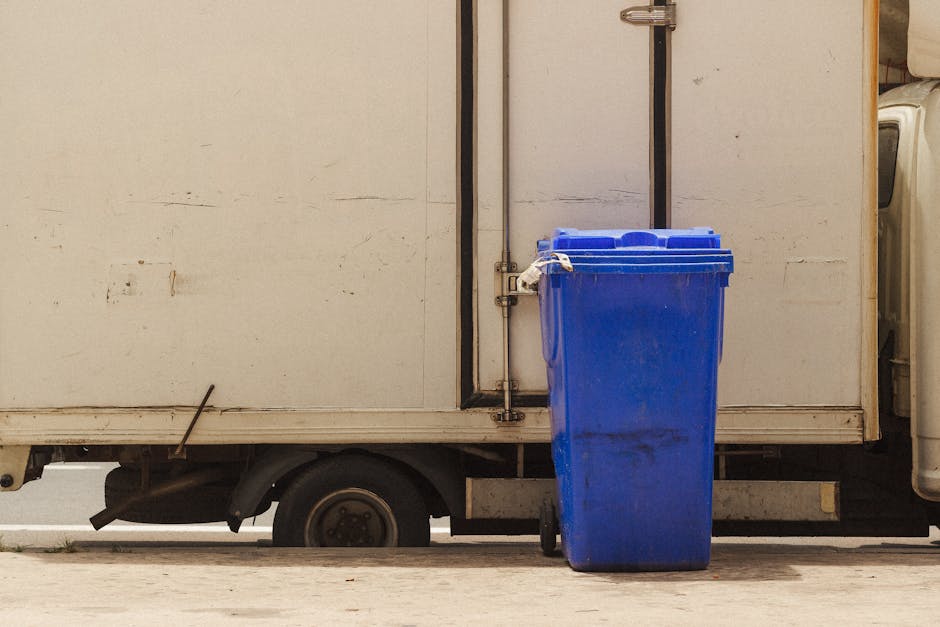
Bulky Waste Options in Ham: Removal & Recycling
Posted on 06/05/2026
Bulky Waste Options in Ham: Removal & Recycling
If you have a sofa wedged in the hallway, an old mattress leaning in the spare room, or a freezer that has finally given up the ghost, you are not alone. Bulky waste has a habit of hanging around long after it should have gone. And in a place like Ham, where homes range from compact flats to family houses with narrow access and busy parking, getting rid of large unwanted items can feel more awkward than it should.
This guide to Bulky Waste Options in Ham: Removal & Recycling explains the practical routes available, how collection and recycling usually work, what to think about before booking anything, and how to avoid the common headaches. Whether you are clearing a property, moving out, replacing furniture, or just trying to reclaim your space, the aim here is simple: help you make a sensible choice without the guesswork.
You will also find useful next-step links if your bulky items are part of a bigger move or declutter. For example, if you are trimming down what comes with you, our guide on decluttering before moving can be a good companion read. If the items are furniture, you may also want to look at furniture removals in Ham or our wider removals in Ham service page.

Why Bulky Waste Options in Ham: Removal & Recycling Matters
Bulky waste is not just "stuff that is too big for the bin". It usually means items that are awkward to move, difficult to break down, and inconvenient to store. Think wardrobes, sofas, mattresses, tables, broken white goods, office desks, and garden items. They take up space, create trip hazards, and can quickly make a home feel cluttered and tired.
In Ham, that matters for a few very ordinary reasons. Parking can be tight. Stairwells can be narrow. Some properties have shared access, and that means lifting a bulky item at the wrong time can be messy for everyone. A sofa dragged across a hallway at 8pm is nobody's idea of a quiet evening, truth be told.
It also matters because bulky items are not all the same. Some can be reused. Some can be dismantled and recycled. Others need careful handling because of materials, sharp edges, electrical parts, or contamination. A mattress might look harmless, but once it is wet, torn, or infested, the handling changes. A freezer can become a nuisance if it still contains food waste or trapped coolant concerns. That is why a good bulky waste plan is about more than simply "getting rid of it". It is about choosing the right route.
There is a practical side too. If you are moving house, renovating, or clearing a rented property, bulky waste removal can protect your timeline. It can also reduce stress around cleaning and handover. If that sounds familiar, our pre-move-out cleaning guide may help you line everything up in a sensible order.
How Bulky Waste Options in Ham: Removal & Recycling Works
Most bulky waste removal follows a fairly simple pattern, even if the details vary depending on what you are disposing of. The process usually begins with identifying the items, checking their condition, and deciding whether they can be reused, recycled, or need general disposal. That decision point is the bit many people skip, and it often costs time later.
For example, a solid wooden chest of drawers with minor wear might be suitable for reuse or partial recycling, while a water-damaged soft sofa is likely a different story. A metal bed frame, on the other hand, is often a better candidate for dismantling and recycling. The more accurately you assess the item upfront, the smoother the removal tends to be.
In practical terms, a bulky waste collection or removal service may involve:
- an initial enquiry or quote based on item type, volume, and access
- arrival at a scheduled time, or sometimes same-day support if available
- careful lifting, carrying, and loading
- sorting for reuse, recycling, or disposal
- transport to the appropriate facility or onward handling route
If the bulky items are being moved from an upper floor or awkward layout, professional lifting technique matters more than people think. There is a reason heavy objects are often best handled with trained hands and the right equipment. If you want a better sense of that side of the job, self-reliant heavy lifting and kinetic lifting are useful reads.
Recycling also sits at the heart of the process. Bulky items often contain materials that can be recovered: wood, metal, textiles, plastics, and in some cases reusable hardware. The quality of the recycling outcome depends on how the item is prepared and how it is sorted. That is why "free collection" and "responsible recycling" are not always the same thing. They might sound similar at first glance, but the real-world route can differ a lot.
Key Benefits and Practical Advantages
Choosing the right bulky waste option is not just about clearing space. It can have a surprising knock-on effect on the rest of your week. Here are the biggest advantages people usually notice.
1. More space, immediately. Once that old wardrobe or broken sofa goes, the room suddenly feels usable again. That spare corner can become storage, a desk area, or simply a place where you can breathe a bit easier.
2. Less risk of injury. Large items are awkward. They catch on doorframes, slip on stairs, and twist your back if you try to "just move it a little". If you have ever tried to carry a mattress down a narrow landing, you know exactly what we mean. Not glamorous. Not fun.
3. Better recycling outcomes. A planned removal is usually better for the environment than leaving items to deteriorate in a garage or shed. Reusable materials can be separated earlier, and items in decent condition may be diverted away from disposal routes altogether.
4. Faster move-outs and property handovers. If you are leaving a rental or preparing a sale, bulky waste can become the last stubborn obstacle. Removing it on time helps prevent delays, extra cleaning, or awkward last-minute scrambling.
5. Cleaner, calmer homes. It sounds simple, but clutter affects how a place feels. One large broken item tends to attract smaller piles around it. Then the pile grows. Then the pile grows again. You know how it goes.
A good bulky waste plan also supports wider moving and storage decisions. If you are working through a full property clear-out, our calm and stress-free moving guide and storage options in Ham can help you think in stages rather than all at once.
Who This Is For and When It Makes Sense
Bulky waste removal in Ham is useful for more people than you might expect. It is not only for big house clearances or renovation projects. In day-to-day life, it can be the practical answer to a small but awkward problem.
You may need it if you are:
- moving home and want to leave unwanted furniture behind
- clearing a flat, house, garage, loft, or shed
- replacing old furniture, mattresses, or appliances
- emptying a student property at the end of term
- preparing an office or workspace for a refresh
- dealing with an inherited property or tenant turnover
For a flat move, bulky waste often appears at the exact moment you need the least complication. A bed frame that will not fit in the lift, a sofa that has one too many awkward angles, or a broken desk that nobody wants to inherit. If that sounds familiar, flat removals in Ham may be useful alongside waste planning.
There is also a timing question. Do you need everything gone before a check-out inspection? Are you clearing gradually over a few weekends? Are you dealing with a one-off bulky item that has to go now because it is blocking access? Those answers affect the best route. To be fair, this is where many people save money: not by choosing the cheapest-looking option, but by choosing the option that fits the task properly.
Step-by-Step Guidance
If you want a clean, low-stress bulky waste clear-out, the best approach is methodical. Not dramatic. Just methodical.
- List every bulky item. Include furniture, appliances, mattresses, and anything that will need two people to move safely. Be honest about size and weight.
- Check condition and material. Can the item be reused, repaired, or dismantled? Is it contaminated, damp, or damaged? Those details matter.
- Measure access points. Door widths, stair turns, lift sizes, and hallway bends can make a straightforward job suddenly awkward.
- Separate what can be reused. If an item has life left in it, consider donation or resale before disposal. Even a tired item can sometimes be stripped for parts or materials.
- Choose the removal route. Decide between collection, man and van support, full removal services, or a recycling-led route depending on the item and urgency.
- Prepare the item. Empty drawers, remove loose parts, secure doors, and disconnect appliances safely. If needed, look at how to handle a dormant freezer before moving it.
- Book the right vehicle and help. A bulky item needs enough load space, correct straps, and a safe lifting plan. The wrong van size is a classic nuisance.
- Keep a clear path. Move rugs, open gates, protect corners, and make sure someone is available if access is shared.
- Confirm recycling or disposal handling. Ask how the items will be sorted. Reuse and recycling should be part of the conversation, not an afterthought.
If your bulky waste is part of a larger move, pairing it with decent packing makes life easier. Our packing and boxes service in Ham and packing hacks guide are both handy for keeping the rest of the move under control.
A small real-world note: do not leave appliance prep until the last minute. A washing machine still connected, a freezer still full, or a bed frame still assembled can add half an hour to a job that should have been smooth. Sometimes more.
Expert Tips for Better Results
The best bulky waste jobs tend to look easy because the planning happened earlier. That is the secret, really.
Start with the hardest item. If you can remove the awkward sofa first, the rest of the clear-out often feels easier. Momentum counts.
Think in categories, not piles. Group furniture, electricals, textiles, and mixed waste separately. This makes sorting and recycling cleaner later on.
Protect the property. Door edges, bannisters, floors, and corner walls are the usual victims. A few moving blankets or simple padding can prevent dents and scuffs that are annoying to fix.
Reduce the load before lifting. Empty cabinets, remove glass shelves, and detach legs if the item allows it. A small reduction in weight can make a big difference on stairs.
Use the right help for the right item. A mattress is one thing. A piano is another. Heavy, fragile, or high-value objects need specialist handling. If you are dealing with unusually awkward furniture, the article on expert piano moving is a good example of why specialist hands matter.
Keep recycling in mind from the start. A removal plan that includes recycling is usually more efficient than a pure "dump it and go" mindset. And it feels better, too. Less waste, fewer regrets.
Expert summary: the cleanest bulky waste outcomes come from simple preparation, safe lifting, and early sorting. If you know what is going, what can be reused, and what needs careful handling, the whole process becomes easier and more environmentally sensible.
If you are dealing with a full property reset, our pre-move-out cleaning advice and couch care guide can help you protect other items while you clear the bulky stuff.
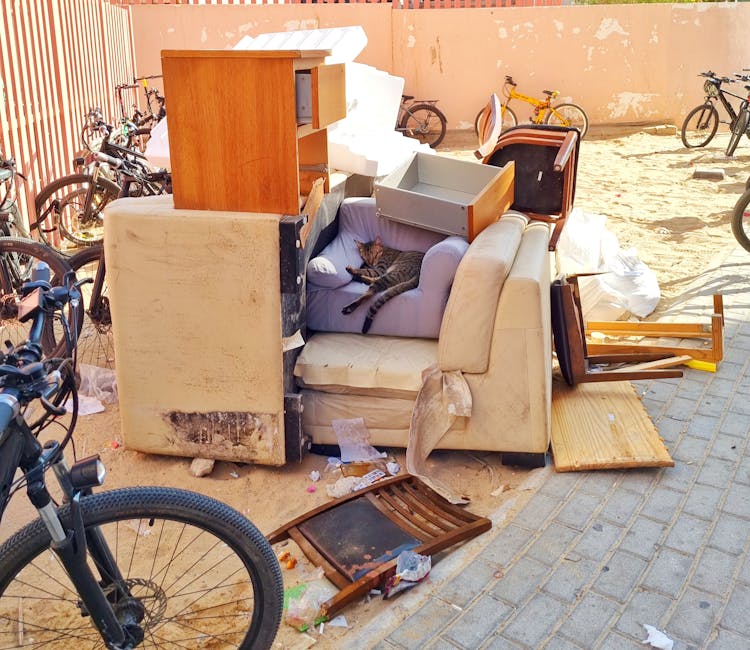
Common Mistakes to Avoid
Most bulky waste problems are preventable. They usually come down to rushing, guessing, or underestimating the awkwardness of the item in question.
- Leaving it too late. If you wait until the day before a move or inspection, your options narrow fast.
- Not measuring access. A sofa that looks manageable in the lounge can become a stubborn beast at the staircase.
- Mixing all waste together. This makes recycling harder and can create a messier, more expensive clearance.
- Forcing a one-person lift. That is how backs get strained and walls get scuffed. Or both.
- Assuming every item can go the same way. Mattresses, fridges, wood furniture, and office equipment often need different handling routes.
- Ignoring hidden parts. Drawers, loose screws, sharp hinges, and glass panels can turn up at the worst possible moment.
One more thing people overlook: timing around neighbours. In Ham, where access can be close and shared, a bulky item removal at the wrong hour can create avoidable friction. A little consideration goes a long way. Seems obvious, but it saves headaches.
Tools, Resources and Recommendations
You do not need specialist machinery for every bulky waste job, but a few basic tools and the right support make life much easier.
Useful tools and items:
- work gloves with a decent grip
- moving blankets or old covers for protection
- ratchet straps or tie-downs for securing loads
- basic screwdriver or Allen key set for dismantling furniture
- labels or masking tape for separating items
- trolley or dolly for heavier appliances where suitable
Helpful service pages and guides:
- Removal services in Ham for broader collection and transport support
- Man with a van in Ham for flexible, smaller-scale loads
- Same-day removals in Ham if the bulky waste needs fast attention
- Recycling and sustainability for a broader view of responsible handling
- Services overview if you are comparing your options before booking
For readers planning a wider house clear-out, it is worth checking whether the bulky waste is part of a larger moving job. In that case, house removals in Ham or a broader removal service may be more efficient than booking multiple separate jobs. If the property has tricky access, the local note on Ham house moves and riverside access is worth a look as well.
Law, Compliance, Standards, or Best Practice
Without getting bogged down in legal jargon, bulky waste should be handled in a way that is safe, traceable, and environmentally responsible. In the UK, people and businesses who produce waste have responsibilities around how it is stored, transferred, and handed over. That is the basic principle, and it is sensible enough.
For homeowners, the practical takeaway is simple: do not leave items dumped where they become an obstruction, a hazard, or a source of nuisance. For landlords, letting agents, and businesses, the standard is higher because the waste often forms part of a managed property or commercial clearance. You need a process, not a guess.
Best practice usually includes:
- keeping records of what was removed, where appropriate
- using suitable carriers and vehicles for safe transport
- sorting reusable items away from waste where possible
- avoiding contamination of recyclable materials
- following safe lifting and handling methods
Health and safety also matters. Bulky items can trap fingers, shift unexpectedly, or conceal damage. If a chair leg is cracked or a wardrobe panel has splintered, do not assume it will behave nicely on the stairs. It probably won't. Our health and safety policy and insurance and safety information give a clearer sense of the standards that underpin careful handling.
Options, Methods, or Comparison Table
There is no single best bulky waste option for every situation. The right route depends on item type, urgency, access, and whether you want reuse, recycling, or simple removal. The table below gives a practical comparison.
| Option | Best for | Pros | Trade-offs |
|---|---|---|---|
| Reuse or resale | Items in good, usable condition | Lowest waste, potentially saves money, environmentally sensible | Can take time, depends on condition and demand |
| Specialist bulky item removal | Furniture, appliances, large mixed loads | Convenient, safer lifting, can include recycling | Usually more structured and may cost more than DIY |
| Man and van support | Smaller bulky loads or single-item moves | Flexible, practical, good for awkward access | May not suit very large or heavily mixed clearances |
| Full removal service | House clear-outs, moving day overflow, larger collections | Less stress, more complete handling, useful for time pressure | Needs more planning and a bigger scope |
| Storage before final decision | Items you are unsure about | Buys time for sorting, selling, or deciding | Not a disposal method; storage costs and access still matter |
If you are unsure which route fits your situation, compare the item condition against your timeline. If the item is reusable and you are not in a rush, reuse or resale may be the smartest first step. If the item is heavy, awkward, or tied to a deadline, a removal-led approach usually wins.
Case Study or Real-World Example
Here is a realistic example based on the sort of job that comes up often. A couple in Ham had a sofa, an old mattress, a broken dining table, and a freezer that had been sitting idle for months. The living room was starting to feel like a storage room with chairs. Not ideal.
At first, they planned to handle everything themselves over one weekend. Then they measured the hallway and realised the sofa turn at the stair landing was tighter than expected. The freezer also still needed safe emptying and cleaning before it could be moved. So they changed course and broke the job into parts: first, clear and label the items; second, decide what could be reused; third, arrange a removal with enough vehicle space and lifting help.
The result was boring in the best possible way. No damaged walls, no rushed lifting, no last-minute panic. The reusable table went to a separate route, the rest were handled in one collection, and the room was usable again the same day. Boring, yes. Efficient, absolutely.
If they had kept going with the original do-it-yourself plan, they might still have got there eventually. But the risk of strain, scuffed paintwork, and general frustration would have been a lot higher. Sometimes the sensible choice is the plain one.
Practical Checklist
Use this checklist before arranging bulky waste removal or recycling in Ham.
- List every item that needs to go.
- Separate reusable items from true waste.
- Measure doors, stairs, lifts, and hallway turns.
- Check whether the item needs dismantling first.
- Empty drawers, shelves, and appliance contents.
- Protect floors, corners, and bannisters.
- Make sure the route out of the property is clear.
- Choose the right service based on item size and urgency.
- Ask how recycling and sorting will be handled.
- Keep any useful paperwork or item notes if you are clearing for a landlord, sale, or business handover.
Quick takeaway: if the item is heavy, awkward, or tied to a deadline, do not improvise. Plan the lift, plan the route, then book the help that fits.
Conclusion
Bulky waste disposal in Ham does not need to be complicated, but it does need a bit of thought. The most successful removals are rarely the rushed ones. They are the ones where the items are assessed properly, the access is checked, and the removal route matches the reality of the job.
That might mean reuse for a few pieces, recycling for others, and a removal service for the awkward remainder. It might mean a same-day collection because the clock is against you. Or it might mean simply planning ahead so the moving day does not turn into a scramble with a sofa at the centre of it all. Let's face it, nobody wants that.
If you are clearing bulky waste as part of a move, a declutter, or a property handover, the safest and smoothest path is usually the one that respects the item, the property, and your time. Do that, and the whole thing gets lighter. Literally and mentally.
Get a free quote today and see how much you can save.
And if you are still deciding, take it one item at a time. A calm, sensible clear-out beats a frantic one every day of the week.