Richmond Council Rules for Ham TW10 Removals
Posted on 26/06/2026
Richmond Council Rules for Ham TW10 Removals: A Practical Local Guide
If you are planning a move in Ham TW10, the council side of the job can feel like the bit nobody warned you about. Parking, access, loading space, neighbours, shared driveways, flats with tight stairwells, and the odd one-way street all matter more than people expect. That is exactly why understanding Richmond Council Rules for Ham TW10 Removals is so useful: it helps you avoid delays, reduce stress, and stop a simple move turning into a long afternoon of shuffling boxes back and forth in the rain.
This guide breaks the topic down in plain English. We will look at what the rules mean in practice, how they affect home and flat moves in Ham, where people usually get caught out, and the steps that make the whole process smoother. If you are moving a sofa, a piano, a full house, or just trying to get a van close enough to the door without upsetting half the street, this should help.
In our experience, the difference between a calm move and a messy one is often a few small decisions made early. A little planning goes a long way. And yes, sometimes that means spending twenty minutes on parking logistics so you do not spend two hours apologising later.

Why Richmond Council Rules for Ham TW10 Removals Matters
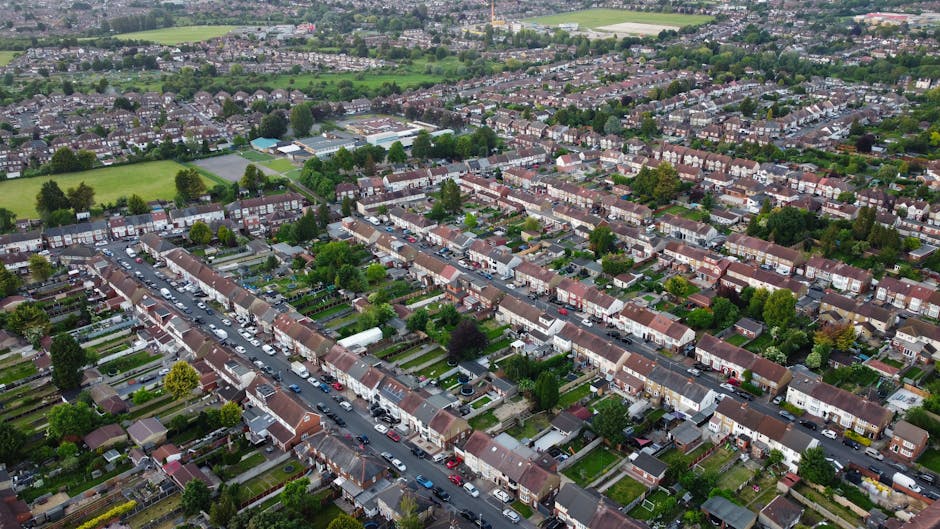
Ham sits in a part of Richmond where roads, access points, and housing styles can vary a lot from one street to the next. Some properties are straightforward, with decent frontage and room for a removal van. Others are the opposite: narrow roads, residents' bays, tight corners, trees, shared entrances, or little room to pause while carrying heavy furniture. That is where local rules come into play.
Richmond Council rules matter because a moving van does not operate in a vacuum. If loading or unloading affects bays, yellow lines, footways, dropped kerbs, or controlled spaces, you need to think about what is allowed and what is not. Even when a move is technically possible, it may still be awkward without the right planning. One missed detail can mean fines, wasted time, or a van parked too far away from the property.
There is also the neighbour factor. Ham is a lived-in, busy area. A removal job that blocks access, clutters shared space, or leaves a loading bay occupied longer than expected can create tension very quickly. That is rarely what anyone wants on moving day, especially when everyone is tired and carrying a wardrobe at 8:30 in the morning.
For local moves, the rules are not just about compliance. They are about flow. They shape whether the job feels efficient or chaotic. That is why experienced movers often start with the street, not the sofa.
If you are preparing for a flat move, it can help to read up on flat removals in Ham as well as the realities of small-move strategies for Ham Common flats. The access issues are often the same, even if the homes look different on paper.
How Richmond Council Rules for Ham TW10 Removals Works
In practical terms, the council rules usually affect where a removal vehicle can stop, how long it can stay there, and what permissions may be needed if the vehicle is using restricted parking or loading areas. The exact setup depends on the street and the type of property, so there is no single one-size-fits-all answer. Annoying, yes. But normal for London, to be fair.
Here is how it usually works on the ground:
- Check the street layout first. Look at bay restrictions, waiting restrictions, and whether your property sits on a narrow road or busy junction.
- Assess the access route. Is there a front drive, a shared courtyard, or a staircase where furniture must be carried carefully?
- Decide if loading flexibility is needed. A short stop may be fine in some places, but some jobs need more structured parking arrangements.
- Plan the van size around the site. A smaller van may be easier to place close to the property, while a larger van may reduce trips if there is room.
- Factor in timing. Moving early in the day can sometimes make street access simpler, though local conditions vary.
The main thing to understand is that removals in Ham are often not difficult because of the furniture itself. They are difficult because of where the van can actually sit while the furniture is moved. That single detail changes everything.
For streets with tighter access, navigation tips for Ham riverside moves are a good way to think about the problem, even if you are not right by the river. The same principles apply: measure the route, reduce unnecessary carrying distance, and keep the loading window realistic.
And if you are unsure about whether you need a particular parking arrangement, it is worth reading the guide to parking permits for removals on Petersham Road. While that page is street-specific, the underlying lesson is broadly useful for Ham TW10: local parking details can make or break the day.
Key Benefits and Practical Advantages
Following the right local process gives you more than just peace of mind. It has a knock-on effect on cost, safety, and how long the move takes. That is easy to underestimate when you are focused on labels and box tape.
- Less wasted time. A van positioned properly can cut carrying distance and reduce delays.
- Lower risk of damage. Shorter, clearer routes mean fewer chances to bump walls, scrape doors, or drop heavy items.
- Less stress for everyone involved. You do not want the whole day running on guesswork.
- Better use of labour. If movers are not walking extra metres every trip, the job tends to run more smoothly.
- Fewer parking headaches. Planning ahead can help you avoid awkward last-minute decisions.
- Cleaner communication with neighbours or building management. People are generally more relaxed when they know what is happening.
There is a quieter benefit too: confidence. Once you have a clear plan, you stop second-guessing every detail. You know where the van can go, which pieces need a two-person lift, and which rooms should be cleared first. That calm matters more than people think.
If you are also trying to keep furniture in good shape during the move, it helps to read practical couch preservation tips and the checklist for moving beds and mattresses. These are small, specific jobs, but they are exactly the sort of pieces that go wrong when the moving plan is rushed.
Who This Is For and When It Makes Sense
This topic is relevant to almost anyone moving in or out of Ham TW10, but a few groups need it more than others.
Homeowners and tenants in houses
If you live in a house with a driveway, you may have more flexibility. Even so, you may still need to consider access, kerb space, and whether the van can turn safely. Older streets and tighter residential roads can surprise people. You might think, "There is space outside," and then realise the angle is awful once a long wheelbase van arrives.
Flat movers
Flat moves are where council and parking rules often become most relevant. Shared entrances, limited stopping space, and stair-only access can turn a simple move into a logistical puzzle. If that sounds familiar, flat removals in Ham are worth understanding properly before move day.
Students and short-term renters
Students often move with less notice, fewer boxes, and a smaller budget, which can mean less time for planning. If that is you, the room may only contain a few bulky pieces, but the parking issue still matters. One wrong stop and you are carrying a mattress round the block. Nobody enjoys that at 10pm, not even slightly.
Families and full-house moves
For family homes, the bigger issue is usually duration. More items, more trips, more chances for delays. Rules around parking and loading become important because they can affect the total length of the move and the strain on everyone involved.
Businesses and office relocations
Even a small office move can involve equipment, boxes, and a schedule that cannot drift. If you are moving work premises, see office removals in Ham and plan around the street before the furniture. It is a simple habit that saves embarrassment later.
Step-by-Step Guidance
Here is a grounded way to approach Richmond Council rules for a removal in Ham TW10 without overcomplicating it.
- Identify your exact address and access points. Note whether the property is on a main road, side road, cul-de-sac, or shared driveway.
- Look at the street from a moving van's point of view. Ask where the vehicle would stop, where people would walk, and how far the furniture would need to be carried.
- Check parking constraints. Pay attention to bays, restrictions, time limits, and any local loading conditions that may apply.
- Decide on the vehicle size. A van that is too large can be a problem if the street is tight. One that is too small can mean multiple trips. Neither is ideal.
- Prepare the property before arrival. Move loose items, disconnect appliances safely, and clear hallways.
- Protect the high-risk items. Wrap furniture, secure drawers, and separate fragile boxes.
- Assign roles. Decide who is meeting the van, who is guiding larger items, and who is handling keys or access.
- Build in a buffer. Local moves rarely go exactly to plan. A five-minute delay here and there is normal. The question is whether your plan can absorb it.
For packing support, it is worth using packing hacks that simplify the move and the broader advice on packing and boxes in Ham. Good packing does not just protect items; it speeds up loading, which is especially useful when parking time is limited.
One more practical point: if you are moving in a rush, last-minute removals in Ham can still go smoothly, but only if parking and access are sorted early. Same-day is possible. Random is not a strategy.
Expert Tips for Better Results
Here are the details that experienced movers pay attention to, the little things that make a surprisingly large difference.
- Visit the street at the same time of day as the move. A road that feels quiet at 11am can be packed at school pickup time.
- Keep the loading area clear the night before. Bins, bikes, prams, and random household clutter always seem to migrate into the exact space you need.
- Use furniture protection early. Do not wait until the van is outside. Wrap before the pressure starts.
- Make one person responsible for access. Too many people giving instructions usually slows things down.
- Think in carrying distance, not just parking distance. Ten metres can be the difference between easy and exhausting.
- Break the move into zones. Bedrooms, kitchen, and bulky furniture should not all be treated the same.
- Stay realistic about the lift capacity of friends and family. Everyone wants to help. Not everyone should lift the wardrobe. Truth be told, that is how injuries happen.
If you have heavy or awkward pieces, look at self-reliant heavy lifting advice and kinetic lifting techniques. These ideas are not about showing off. They are about moving smarter and keeping the day controlled.
For specialist items, there is no prize for improvising. A valuable upright piano, for example, deserves proper handling; piano removals in Ham and the challenges of piano moving explain why expert hands matter. A piano is not just heavy. It is awkward, delicate, and deeply unforgiving of guesswork.

Common Mistakes to Avoid
Most moving problems are preventable. That sounds obvious, but it is also why people keep making the same ones.
- Assuming parking will sort itself out. It rarely does.
- Choosing the van before checking access. Bigger is not always better.
- Starting packing too late. Then the whole house becomes a source of panic.
- Blocking hallways with sorted boxes. That just creates a bottleneck.
- Forgetting bulky waste or items not going to the new place. Suddenly the van is full of things that should have been dealt with earlier.
- Overestimating how much one person can carry. A risky lift is still a risky lift, even if you are in a hurry.
- Not checking building rules if you are in a flat or managed property. Council rules are only part of the picture.
A good example: someone books a large vehicle, parks it where they can, and then discovers the lift distance is so long that the move takes twice as long as expected. Another person overpacks smaller boxes, making them too heavy to lift safely. Small choices, big consequences. That is the pattern.
Before moving day, consider decluttering before moving and premove-out cleaning strategies. A tidy exit makes access easier, and it is much easier to navigate a hallway that is not full of old lamps and half-empty storage tubs.
Tools, Resources and Recommendations
You do not need a giant toolkit to manage a move in Ham TW10, but a few practical items help a lot.
- Measuring tape for doors, stairwells, and awkward furniture.
- Box labels and marker pens so rooms and priorities are clear.
- Furniture covers, blankets, and stretch wrap for protection.
- Gloves with grip for better handling on awkward surfaces.
- Door protectors or floor runners if you are worried about scuffs.
- Basic toolkit for legs, handles, or quick dismantling.
For van planning, choosing the right van size for Ham moves can save you from booking too small or too large a vehicle. That choice matters more when parking is constrained, because you may need the balance between load capacity and street practicality.
If you need temporary space during a staggered move, storage in Ham can help bridge the gap. That can be especially useful if your new place is not ready yet, or if parking access means you want to split the job into manageable parts.
And if you want a broader sense of how a move is handled from start to finish, services overview and removals in Ham provide helpful context alongside this guide.
Law, Compliance, Standards, or Best Practice
For removals in Ham TW10, the safest approach is to treat local rules as a mix of council parking restrictions, road safety considerations, and sensible moving practice. You do not need to become a parking-law expert, but you should understand that stopping rules, loading rules, and vehicle access rules can all matter.
In general, best practice looks like this:
- Do not assume a short stop is permitted. Check the location and the restriction pattern for that street.
- Do not block access ways, dropped kerbs, or shared entrances. Even if you can get away with it for five minutes, it is still poor practice.
- Keep the loading process controlled and efficient. That reduces risk to people, property, and other road users.
- Use trained movers for heavy, awkward, or fragile items. That is not overkill. It is sensible risk management.
- Follow building rules where relevant. Leaseholds, managed blocks, and shared estates often have their own procedures.
Good compliance is not about being rigid. It is about being prepared enough that the move feels orderly. That tends to keep everybody happier, and it usually keeps the day on schedule too.
If safety is a major concern, take a look at health and safety policy and insurance and safety guidance. Those pages help explain the standards that matter when heavy lifting, vehicle handling, and property protection are part of the job.
Options, Methods, or Comparison Table
There are several ways to tackle a move in Ham TW10. The best choice depends on access, item volume, timing, and how much support you want on the day.
| Approach | Best for | Strengths | Trade-offs |
|---|---|---|---|
| Self-managed move | Very small loads and flexible schedules | Lower cost, full control | More lifting, more risk, more time spent on logistics |
| Man and van | Medium moves, short notice, local streets | Flexible, efficient, often easier for tight access | May still require careful parking and loading planning |
| Full removal service | Larger homes, fragile furniture, or complex access | Less stress, more support, better handling of awkward items | Usually more expensive than a basic van-only option |
| Split move with storage | Delayed completions or phased transitions | Reduces pressure and can simplify logistics | Requires extra planning and possibly extra handling |
As a rule, the more difficult the access, the more useful a professional moving service becomes. That is especially true if your street is tight, your items are bulky, or your move has to happen quickly. If you are weighing up the practical side, man and van in Ham, man with a van in Ham, and removal services in Ham are all sensible starting points.
Case Study or Real-World Example
Here is a realistic local scenario. A couple moving out of a TW10 flat had a shortlist of worries: narrow stairwell, limited parking outside, and a sofa that looked lovely in the lounge but suddenly became a problem once they tried to measure the staircase. Classic.
They first checked the street, then identified where a removal van could safely stop without forcing a long carry. They removed loose hallway items the night before, labelled boxes by room, and separated the bulky furniture from the fragile kitchen items. One person managed the entrance, another handled keys and access, and the main pieces were loaded first while the street was quiet.
The move still took effort. Of course it did. But it stayed controlled. No frantic reshuffling. No "just leave it there for a second" moments that turn into half an hour. And crucially, no damage to walls or furniture.
That sort of move is very typical for Ham. The job is rarely impossible. It is usually just a matter of understanding the street, respecting the access, and not trying to force a bad setup to behave like a good one.
If your property has awkward access, these guides may also help: Ham house move tips for riverside properties and navigating narrow access in Ham riverside moves. Different streets, same lesson: access planning is everything.
Practical Checklist
Use this checklist as your pre-move sanity check. It is simple, but it works.
- Confirm the moving date and arrival window
- Inspect parking and loading options near the property
- Measure large furniture and awkward items
- Decide whether a small van or larger vehicle fits the access better
- Clear hallways, stairs, and the front path
- Label boxes by room and priority
- Set aside essentials for the first night
- Protect fragile items, mirrors, and soft furnishings
- Arrange help for heavy or oversized pieces
- Deal with unwanted bulky items before the van arrives
- Check building rules if the move involves flats or managed property
- Keep keys, phone, and documents together
- Build in time for delays, traffic, and last-minute adjustments
If you still have things to clear out, bulky waste options in Ham can help you think through what should go, what should be recycled, and what should never be left for moving day. That one step alone can make the whole process feel lighter.
And if you are juggling books, kitchenware, and all the odd little bits that disappear into drawers, a calm, stress-free move guide is worth a look alongside your packing plan.
Get a free quote today and see how much you can save.
Conclusion
Richmond Council rules for Ham TW10 removals are not there to make life difficult. They are there because local streets, parking pressures, and access conditions can quickly complicate a move if nobody plans ahead. Once you understand the basics, though, the whole process becomes much more manageable.
Focus on access first, parking second, and lifting last. That order tends to keep things tidy. If you build your move around the reality of the street rather than hoping it will all work out on the day, you are already ahead of most people.
In the end, the best move is usually the one that feels boring in the right way. No drama, no surprises, just boxes going from A to B and everyone getting on with their day. Lovely stuff, really.